Business Name: FootPrints Home Care
Address: 4811 Hardware Dr NE d1, Albuquerque, NM 87109
Phone: (505) 828-3918
FootPrints Home Care
FootPrints Home Care offers in-home senior care including assistance with activities of daily living, meal preparation and light housekeeping, companion care and more. We offer a no-charge in-home assessment to design care for the client to age in place. FootPrints offers senior home care in the greater Albuquerque region as well as the Santa Fe/Los Alamos area.
4811 Hardware Dr NE d1, Albuquerque, NM 87109
Business Hours
Monday thru Sunday: 24 Hours
Facebook: https://www.facebook.com/FootPrintsHomeCare/
Instagram: https://www.instagram.com/footprintshomecare/
LinkedIn: https://www.linkedin.com/company/footprints-home-care
Families seldom plan these choices years in advance. More often, a little fall, a brand-new diagnosis, or subtle memory changes push the question forward: should we bring help into your house, or think about a move to assisted living? Tucked inside that choice is something deeply human. How will we, as a family, stay involved everyday? How much oversight will we genuinely have? The responses depend less on glossy brochures and more on the workflows of care, the physics of range, and the routines of communication that grow in between relatives and professionals.
I have actually sat with households at kitchen area tables and in facility meeting room. I have actually watched adult daughters handle spreadsheet budgets with caregiver schedules, and I have enjoyed sons learn how to help Dad stand safely without bruising his lower arms. I have also seen the relief that originates from a trustworthy assisted living routine. There is no single finest response. There are, however, clear differences in how each model forms family participation, how oversight actually plays out, and what happens when reality creeps in around the edges.
What "involvement" really means
When individuals state they want to "remain included," they generally suggest a mix of access, impact, and closeness. They want to see what the day appears like, speak up when something feels off, and be present for common minutes as much as for crises. They likewise want the reassurance that their parent is known by name, not simply chart number, which modifications get observed quickly.
Elderly home care, that includes in-home care and in-home senior care offered by a senior caregiver, tends to maximize access and closeness. You are in the exact same spaces, hearing the very same sounds. You can enjoy how Mom consumes, whether she grimaces when standing, or how often Dad clears his throat. Assisted living, in contrast, provides structured assistance with a lot of careful eyes over a broader period of hours, but you experience it mainly through prepared sees, phone updates, care notes, and the feel of the typical areas when you stop by.
Influence is the bridge in between the 2. At home, you control the schedule, the kitchen, and the top priorities. In assisted living, you share control through a service strategy negotiated with the center. Both designs can work well. The best fit depends on how your family wishes to appear, and how your loved one responds to others in their personal space.
How home care changes the household's day-to-day life
Bringing a home care service into the house resembles including a brand-new relative with a task description. Even part-time aid improves the day. Mornings might move earlier so a caregiver can do a safe shower and set out medications. Groceries shift to smaller, more regular trips so fresh fruit and yogurt are always on hand. Trash day ends up being a moderate occasion because the senior caregiver and Dad have turned it into a short walk and back. The goal is to keep routines anchored in the familiar.
The upside is palpable. Households frequently capture subtle changes earlier in your home. A daughter notifications that her mother all of a sudden prefers softer foods, or that stairs take a beat longer. These details do not always get tape-recorded, but somebody sees them. That early presence can prevent a crisis. It prevails to change the senior home care schedule by a few hours or generate a physiotherapist after a small wobble, rather than awaiting a larger fall.
There is a trade-off. Home care asks families to serve as micro-managers and macro-coordinators at the same time. Even when the company deals with payroll and backup staffing, you will still fix last-minute call-offs, set borders on tasks, and direct the flow of the week. If numerous siblings share the oversight, you will require a single source of reality for schedules, medication updates, and the little observations that matter. Families who do best with home care often designate a lead point person and a weekly cadence for check-ins, even if just 15 minutes on Sunday nights.
Over time, the house itself ends up being a record. White boards show high blood pressure varieties, sticky notes mark pointers, pillboxes inform their story, and checklists develop from a few lines to a neat regimen. It does not have to look scientific. Many families tuck structure into regular things: a spiral bound note pad on the cooking area counter, a basket by the chair for TV remotes, cream, and a reacher, a little apply for treatment orders and lab slips. The objective is not perfection, it is continuity.
What assisted living modifications in daily rhythms
Assisted living welcomes your parent into a new community with shared dining, activity calendars, and staff who handle the predictable parts of care. The structure becomes the system. Meals are prepared, housekeeping takes place on a cycle, and aid with bathing and dressing begins a schedule set in the service plan. The safety net runs all day, frequently with overnight staff close by. For numerous households, the relief is genuine. You can visit as a daughter or kid once again, not the hands-on assistant who likewise needs to prepare and clean.
Family participation does not diminish so much as it shifts. You become an advocate and a partner. The very best results occur when relatives find out the center's patterns: when the nurse does her morning med pass, when the activities director plans events, and who handles weekend coverage. This useful understanding assists you time your check outs and your requests. If Dad gets sundowning symptoms around 4 p.m., you might ask activities to involve him after lunch so he is more settled later on. If Mom needs additional time at dinner, you can request a seat more detailed to the cooking area where personnel pass more often.
Oversight in assisted living is system-based. You will examine care plans every few months or after a modification in condition. Some neighborhoods offer household portals that show daily care jobs, participation at activities, or a record of vitals. Even without that technology, you can develop a steady image through brief, focused discussions with personnel. Ask what they see when your parent transfers from bed to chair, or how typically they eat dessert. These little information expose the quality of attention in the room.
There is a compromise here too. You will not see whatever. If your parent is personal, they might disappoint you the tough minutes. If you visit at the very same time of day, your view can be skewed by that shift's strengths or weaknesses. The remedy is not to hover, however to vary your gos to, discover names, and compare notes gradually. Good assisted living teams value family partners who are present, clear, and respectful.
Oversight at home: clarity, boundaries, and backup
Families often anticipate home care to be "simple oversight" since it takes place under your roofing. It is more nuanced. Real oversight implies setting tasks, observing them over time, and providing feedback that sticks. That needs clear expectations, a feedback channel, and a prepare for what takes place when your lead caregiver is off or moves on.
Clarity is basic to sketch and harder to maintain. Define the top concerns in plain language: safe bathing with guidance, medication pointers at 9 a.m. and 9 p.m., fresh hydration within reach every two hours while awake. Avoid vague add-ons like "keep the house tidy," which, in practice, can consist of anything from dishes to laundry to scrubbing the shower. If the company agreement lists light housekeeping, request an example list and define your top two items per shift.
Boundaries safeguard self-respect. A senior caregiver is not a household therapist, a driver at all hours, or a handyman for every fix. If a job creeps beyond the scope, surface it early with the agency so you can either change the strategy or state no. This avoids burnout on all sides.
Backup requires grit. The best agencies keep a bench of skilled personnel and a clear on-call procedure. Still, you will need a Plan B for the day an ice storm strikes or a caregiver has car difficulty. Neighbors, relied on good friends, an adult brother or sister nearby, or a quick remain at respite care can fill gaps. Analyze these contingencies before you are in a scramble. Families that make a note of 2 emergency choices feel less tension and can hold the line on safety.
Oversight in assisted living: service strategies, escalation, and visibility
Assisted living oversight resides in the service plan and the relationships around it. The strategy describes what staff will do and when, from assistance with bathing to cueing for memory care. It is both a guarantee and a border. Read it carefully. If your moms and dad starts to require more aid standing from a chair, ask for a mid-cycle update instead of waiting on the quarterly review. Solutions in assisted living are tiered, and little modifications can matter for safety.
Escalation paths make a difference. Know who to require what. If your concern is an injury, request for the nurse. If it is laundry going missing out on, the housekeeping lead is your person. For activity engagement, the life enrichment director is crucial. When an issue covers departments, summarize it in one short email to the director with the relevant personnel copied. Keep the tone accurate and collaborative, and ask for a timeline for reaction. Facilities react best when households are organized and affordable but firm.
Visibility can be constructed creatively. Visit throughout meals often, not just on Sundays after church. Attempt a weekday afternoon when staffing patterns differ. Ask to attend the next care conference even if it is by phone. If your parent is in memory care, short, differed visits work better than long sessions that can overstimulate. Personnel tend to share more when they feel you see their work at various times of day.
The costs families forget to count
Money matters here, however so does time and psychological load. Households frequently compare line-item costs and stop there. A fuller comparison consists of the surprise categories: your own hours, your commute, the stress of last-minute protection, or the travel needed to visit a facility.
Home care rates differ by area. A typical variety for non-medical in-home care is approximately 25 to 40 dollars per hour in many U.S. markets, sometimes greater in cities. Even at 20 hours each week, that is 2,000 to 3,200 dollars per month. Double the hours for more constant protection and the month-to-month spend can approach assisted living rates. On the other hand, a few well-placed hours can make it possible for your moms and dad to live in the house for years at an expense that feels sustainable, particularly if household fills out the gaps.
Assisted living typically bundles room, board, activities, and base care in a regular monthly cost, with add-ons for increased help. Entry-level costs in many regions start around 3,500 to 5,500 dollars monthly, and memory care frequently runs higher. The predictability can help. You know the bill, and you are not setting up every appointment. However if requirements rise, so will the service charges. Ask the center to model a situation with the next level of care so you can prepare for potential jumps.
Emotional load is harder to cost. Some families feel at peace with in-home senior care since they witness the care and they hold the reins. Others feel trapped by constant oversight, a sort of low-grade on-call status that never ends. Assisted living can raise that concern, but some families fret they will miss the little things. The best measure is not theoretical. Try a time-limited trial where possible. Two weeks of home care at a higher strength or a month of respite at an assisted living neighborhood can expose the genuine weight on your shoulders.
Safety, dignity, and the shape of great days
Oversight only matters if it results in much better days. Security comes first, but dignity sits right beside it. A strong home care strategy might focus on a safe shower twice a week, early morning medication reminders, and a day-to-day walk to the mail box, all inside familiar walls that keep memories undamaged. A strong assisted living strategy may include scheduled toileting to lower accidents, group exercise to maintain balance, and social meals that push a peaceful moms and dad to eat a full plate.
I believe frequently of a male I'll call Mr. L, a retired store instructor with early Parkinson's. At home, he moved through his kitchen area like an artisan, but the corridor carpet given in his shuffle and his partner stressed over falls. With home care, we tightened up the home's dangers, added a grab bar by the back step, and scheduled a caregiver in the early mornings when his medications ran low. He stayed at home for 2 more years, and his wife kept the afternoons to themselves. When his freezing episodes increased, the home felt suddenly smaller. A relocate to assisted living gave him staff within earshot, and his better half might visit without bracing for a fall during every transfer. The oversight in your home was consistent and individual; in assisted living, it ended up being patterned and shared. Both worked for a season.
Dignity likewise includes option. At home, you can keep breakfast at 11 a.m. if your moms and dad sleeps late. In assisted https://andresnpgx390.yousher.com/how-to-assess-home-care-agencies-vs-assisted-living-facilities living, breakfast hours are limited, though numerous neighborhoods accommodate late risers with alternatives. In the house, favorite armchairs and the pet dog at your feet are not perks, they are the fabric of the day. In assisted living, the trade-off is easy access to activities that might never ever take place at home: live music, bingo, manicures, or a men's coffee group that gently builds friendships. Ask your moms and dad what makes a good day now, and weigh options versus that answer, not the version of life from five years ago.
Family functions and realistic bandwidth
Families often ignore the work of good coordination. The sibling who keeps the calendar, entertains the home health nurse, and fields 3 p.m. call from a tired caretaker is doing a form of case management. That work is as real as the drive to the pharmacy. If the lead member of the family likewise has a requiring task or little kids, the bandwidth may not exist, even if the heart is willing.
In assisted living, the case management shifts toward the staff. Your function becomes a mix of supporter and historian. You understand your moms and dad's standard humor, sleep rhythm, and appetite. You can discover when something strays. This kind of oversight is more sustainable for lots of families, especially those at a distance. It does not imply hands off. It suggests picking a cadence that protects your energy and your relationship with your parent.
Geography matters. If you live within ten minutes, home care oversight is much easier. If you are a plane flight away, assisted living or a hybrid model might be safer. I have seen remote adult kids succeed with home care by hiring a regional care manager who visits weekly, evaluates the home for safety, and moderates with the company. The cost is not minor, however it can stabilize the entire arrangement.
Communication that in fact works
Whether you pick elderly home care or assisted living, your interaction routines will determine how well oversight translates into better care. Long, psychological e-mails can feel cathartic, however they often bury the lede. Short notes with clear demands take a trip farther.
Here is a basic pattern that works in both settings:
- Observation: a couple of sentences about what you saw or heard, anchored to a date and time. Impact: why it matters for security, convenience, or dignity. Request: a specific, possible ask, with a recommended timeline.
For example: "On Tuesday at breakfast, Mom coughed repeatedly with thin liquids and left her juice unblemished. She has lost 4 pounds this month. Can we try thicker fluids at meals and add a high-calorie shake in the afternoon beginning this week?" This is more actionable than "Mom isn't consuming well," and it gives personnel a clear next step to verify or adjust.
This is among just 2 lists in this short article, utilized here as a small template families can embrace without clutter.
What to look for when examining providers
Whether it is an in-home care agency or an assisted living neighborhood, the genuine procedure is how they deal with modifications. Consumption conferences are polished. Real life is messier. Ask how they intensify brand-new signs, who calls whom, and what happens after hours. Listen for specifics. "We call the household and the nurse examines the circumstance" is great as a start, but much better answers include time frames, functions, and examples: "If a client falls without injury, we alert you within an hour, finish a post-fall evaluation, and display vitals for 24 hours. We schedule a care strategy review within a week."
Scrutinize staffing stability. For home care, ask about caregiver turnover and how often they rotate staff on a case. For assisted living, inquire about firm usage, overtime trends, and the number of care assistants are on the flooring per shift for the unit your parent will join. Numbers vary, and best staffing does not exist, but transparency is a green flag.
Observe the mundane. In home care, see how a caregiver places a gait belt or sets the wheelchair brakes every time. These details avoid injuries. In assisted living, discover how staff speak with residents in the corridor when they are not "on" for a tour. You can find out more from a passing greeting than an official presentation.
Blended approaches that maintain involvement
You do not need to select a single course permanently. Many households mix designs to optimize oversight and keep the tone of family life intact. A common mix is part-time senior home care during the week to safeguard work hours, with household dealing with weekends. Another is to start in assisted living for safety, then add a private senior caretaker for a couple of hours throughout high-need times, like morning dressing or late afternoon when confusion spikes.
Short-term transitions matter too. After a healthcare facility stay, even an independent moms and dad might benefit from two weeks of home care while strength returns. If the home environment shows tougher than expected, a respite stay in assisted living can reset regimens. Try not to treat these as failures. They are tools. The goal is not to win at one model, it is to keep your moms and dad safe and engaged with the least disruption.
How to make either choice work better
Small practices raise the quality of oversight regardless of setting:
- Keep an easy care log, digital or paper, that captures weight, appetite notes, sleep quality, defecation, and state of mind. Trend over weeks, not days. Align on medications. Maintain an updated list, dose, and timing. For home care, use a locked box or dispenser if confusion is a problem. For assisted living, confirm that modifications from the doctor flow into the med administration record within 24 to 48 hours.
This is the second and final list in the article, kept brief for clearness. Everything else can live in prose, and frankly should.
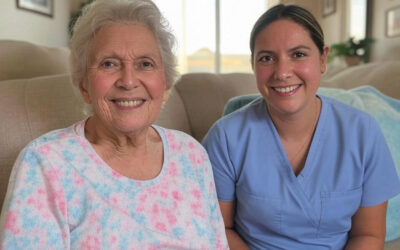
Beyond those essentials, cultivate relationships. Discover three personnel names and use them. Share one personal information about your parent that assists personnel connect, like a favorite vocalist or the truth that your mother taught second grade for 30 years and enjoys hearing about grandchildren. When staff feel they understand the person, not just the jobs, attention sharpens.
Finally, review the strategy. Requirements change. The best oversight adapts without drama. If your parent begins wandering at night, home care may add night coverage or install door sensors. If assisted living notes duplicated refusals of showers, you might experiment with timing, a various assistant, or music Dad likes throughout bath time. Every adjustment is a hypothesis. Measure, then tweak again.
When to reassess the setting
Certain patterns signal that the existing design is straining. In your home, frequent missed out on medications, repeated falls, or caretaker fatigue that bleeds into household dispute all require a reassessment. In assisted living, weight reduction, repeated medical facility transfers, or considerable behavioral changes may signify the requirement for memory care or extra individually support.
Do not wait for a crisis. Request for a care conference when you see a pattern over a few weeks. Bring information, not just impressions. "2 falls in the bathroom in the last 10 days, both after supper," carries more weight than "She seems less stable." Groups react to trends.
The peaceful heart of the matter
People frequently request for a definitive response, the ideal choice, the one that guarantees security and self-respect. After sufficient cooking areas and conference rooms, I am persuaded that the ideal option is the one that keeps your parent understood and observed. Home care does that through nearness. Assisted living does it through structure. Families provide the through line. Your involvement is not a single choice, it is a rhythm of attention, a determination to discover the system you pick, and a habit of mild persistence.
If you pick home care, set clear jobs, produce backup strategies, and protect the relationships on your group. If you pick assisted living, learn names, understand the service plan, and differ your existence enough to see the real day. Both paths can honor a parent's life. Both can stumble and recuperate. Aim for stable, not ideal. Keep your concentrate on the shape of your loved one's great days, and let that guide how you appear, when to adjust, and whether to turn the wheel toward a new setting as requirements evolve.
The option is seldom last and never ever simple, however families who remain curious and useful tend to find their method. Involvement and oversight are not about control, they have to do with care that sees the person, responds to alter, and holds self-respect at the center. Whether the address stays the household home or shifts to a new house down the roadway, that sort of care is possible, and worth the work.
FootPrints Home Care is a Home Care Agency
FootPrints Home Care provides In-Home Care Services
FootPrints Home Care serves Seniors and Adults Requiring Assistance
FootPrints Home Care offers Companionship Care
FootPrints Home Care offers Personal Care Support
FootPrints Home Care provides In-Home Alzheimer’s and Dementia Care
FootPrints Home Care focuses on Maintaining Client Independence at Home
FootPrints Home Care employs Professional Caregivers
FootPrints Home Care operates in Albuquerque, NM
FootPrints Home Care prioritizes Customized Care Plans for Each Client
FootPrints Home Care provides 24-Hour In-Home Support
FootPrints Home Care assists with Activities of Daily Living (ADLs)
FootPrints Home Care supports Medication Reminders and Monitoring
FootPrints Home Care delivers Respite Care for Family Caregivers
FootPrints Home Care ensures Safety and Comfort Within the Home
FootPrints Home Care coordinates with Family Members and Healthcare Providers
FootPrints Home Care offers Housekeeping and Homemaker Services
FootPrints Home Care specializes in Non-Medical Care for Aging Adults
FootPrints Home Care maintains Flexible Scheduling and Care Plan Options
FootPrints Home Care is guided by Faith-Based Principles of Compassion and Service
FootPrints Home Care has a phone number of (505) 828-3918
FootPrints Home Care has an address of 4811 Hardware Dr NE d1, Albuquerque, NM 87109
FootPrints Home Care has a website https://footprintshomecare.com/
FootPrints Home Care has Google Maps listing https://maps.app.goo.gl/QobiEduAt9WFiA4e6
FootPrints Home Care has Facebook page https://www.facebook.com/FootPrintsHomeCare/
FootPrints Home Care has Instagram https://www.instagram.com/footprintshomecare/
FootPrints Home Care has LinkedIn https://www.linkedin.com/company/footprints-home-care
FootPrints Home Care won Top Work Places 2023-2024
FootPrints Home Care earned Best of Home Care 2025
FootPrints Home Care won Best Places to Work 2019
People Also Ask about FootPrints Home Care
What services does FootPrints Home Care provide?
FootPrints Home Care offers non-medical, in-home support for seniors and adults who wish to remain independent at home. Services include companionship, personal care, mobility assistance, housekeeping, meal preparation, respite care, dementia care, and help with activities of daily living (ADLs). Care plans are personalized to match each client’s needs, preferences, and daily routines.
How does FootPrints Home Care create personalized care plans?
Each care plan begins with a free in-home assessment, where FootPrints Home Care evaluates the client’s physical needs, home environment, routines, and family goals. From there, a customized plan is created covering daily tasks, safety considerations, caregiver scheduling, and long-term wellness needs. Plans are reviewed regularly and adjusted as care needs change.
Are your caregivers trained and background-checked?
Yes. All FootPrints Home Care caregivers undergo extensive background checks, reference verification, and professional screening before being hired. Caregivers are trained in senior support, dementia care techniques, communication, safety practices, and hands-on care. Ongoing training ensures that clients receive safe, compassionate, and professional support.
Can FootPrints Home Care provide care for clients with Alzheimer’s or dementia?
Absolutely. FootPrints Home Care offers specialized Alzheimer’s and dementia care designed to support cognitive changes, reduce anxiety, maintain routines, and create a safe home environment. Caregivers are trained in memory-care best practices, redirection techniques, communication strategies, and behavior support.
What areas does FootPrints Home Care serve?
FootPrints Home Care proudly serves Albuquerque New Mexico and surrounding communities, offering dependable, local in-home care to seniors and adults in need of extra daily support. If you’re unsure whether your home is within the service area, FootPrints Home Care can confirm coverage and help arrange the right care solution.
Where is FootPrints Home Care located?
FootPrints Home Care is conveniently located at 4811 Hardware Dr NE d1, Albuquerque, NM 87109. You can easily find directions on Google Maps or call at (505) 828-3918 24-hoursa day, Monday through Sunday
How can I contact FootPrints Home Care?
You can contact FootPrints Home Care by phone at: (505) 828-3918, visit their website at https://footprintshomecare.com, or connect on social media via Facebook, Instagram & LinkedIn
A ride on the Sandia Peak Tramway or a scenic drive into the Sandia Mountains can be a refreshing, accessible outdoor adventure for seniors receiving care at home.